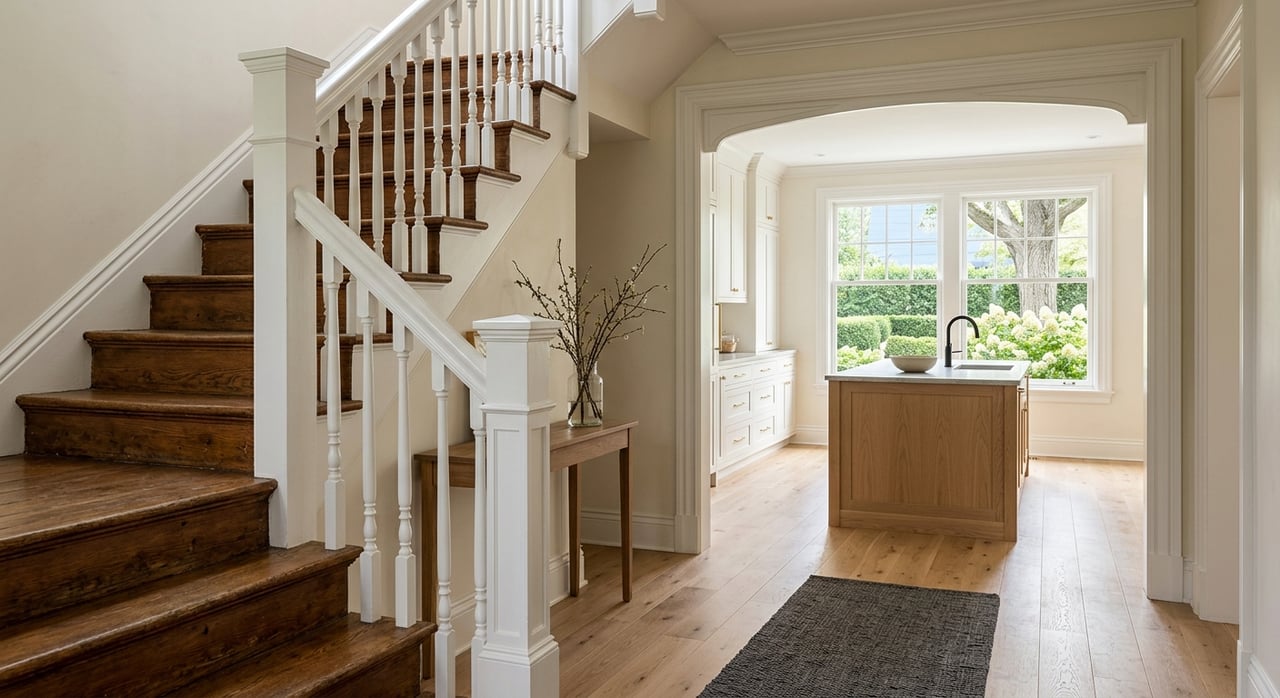
Choosing between a historic home and a new construction home in Radnor Township is rarely just about age. In a community that is largely built out, where neighborhood character and site constraints shape what gets bought, sold, renovated, and rebuilt, your decision affects not only how you live now but how you maintain, improve, and eventually resell. If you are weighing charm against convenience, this guide will help you think through the tradeoffs with more clarity. Let’s dive in.
Radnor’s Housing Market Sets the Stage
Radnor Township is an established Main Line community, not a place with wide-open land for large new subdivisions. Township planning materials describe Radnor as virtually fully developed, with very limited vacant land and a long history of estate subdivisions shaping later housing growth.
That matters because most buyers in Radnor are not choosing between two homes in the same type of setting. They are often comparing an older home in a well-established neighborhood with a newer infill, teardown-and-rebuild, or redevelopment-based property. In other words, the home itself is only part of the decision.
The broader market also supports a long-term view. Recent Census data shows a 65.9% owner-occupied housing rate and a median owner-occupied home value of $833,900 in Radnor Township, which points to a high-value ownership market where condition, lot quality, and neighborhood fit all carry weight.
Historic Homes in Radnor
Historic homes in Radnor are not limited to one narrow pocket. The Radnor Historical Society highlights a wide range of older properties, including large estates, suburban homes, modest residences, and historic commercial buildings, with especially strong historic documentation in North Wayne, South Wayne, and Downtown Wayne.
In Wayne’s historic areas, many homes date to the late 19th and early 20th centuries. National Register documentation identifies styles such as Colonial Revival, Renaissance, Late Victorian, and Craftsman or Bungalow influences, which means buyers are often looking closely at original millwork, masonry, rooflines, and room proportions rather than focusing only on square footage.
What Buyers Often Love
Historic homes usually appeal to buyers who want architectural character and a setting that feels rooted in place. Mature streetscapes, established lots, and older design details can create a sense of permanence that is hard to replicate in newer construction.
You may also find that these homes offer unique layouts, materials, and craftsmanship that stand apart from more standardized modern designs. For buyers who value character and are comfortable with some stewardship, that can be a meaningful advantage.
What Buyers Need to Plan For
With an older home, ownership often comes with more maintenance decisions. Windows, doors, masonry, roofing, and other original elements may need repair or thoughtful updating over time.
That does not always mean you need to replace historic features. National Park Service guidance notes that historic windows and doors can often be repaired and weatherized, and that regular maintenance, storm windows, caulking, and weatherstripping can improve performance while preserving original materials.
Historic District Rules Matter
In Radnor, some historic areas come with added review requirements. The Township’s Historic Districts Ordinance states that in the North Wayne, Louella Court, and South Wayne historic districts, a certificate of appropriateness is required before a principal or accessory building is erected, altered, or demolished.
The Historic Architectural Review Board, or HARB, serves as the advisory body for those applications. In practice, that means exterior projects may involve more planning, more review, and potentially longer timelines than similar work on a home outside a historic district.
Why This Affects Your Decision
If you are buying a historic home, it helps to think beyond the purchase itself. A home that feels perfect today may still require future approvals for additions, exterior alterations, or demolition-related work.
For some buyers, that extra review is a fair trade for living in a neighborhood with strong historic character. For others, it can feel like unnecessary friction, especially if you already know you want to make visible exterior changes.
New Construction in Radnor
New construction in Radnor usually looks different than it does in fast-growing suburbs. Because the township is largely built out, newer homes are more often created through infill development, lot splits, replacement dwellings, or redevelopment rather than large-scale subdivision building.
That means a new home in Radnor may still sit within an older neighborhood context. It may offer modern systems and finishes, but it is still shaped by the township’s lot sizes, zoning standards, site conditions, and review processes.
What Buyers Often Love
The biggest draw of new construction is predictability. Newer homes typically offer current-code-era systems, a cleaner starting point for maintenance, and layouts that match how many buyers want to live today.
You may find it easier to budget in the near term because major components are newer. For buyers who want a more straightforward ownership experience, that can be a major benefit.
What Buyers Still Need to Understand
New does not mean simple. In Radnor, new construction is still closely regulated through zoning, subdivision and land development review, grading permits, stormwater rules, and tree-related oversight.
The township also places clear limits on what can be built in residential districts. For example, R-1, R-2, and R-3 districts each have minimum lot sizes, width requirements, building area limits, impervious coverage caps, and a maximum building height of three stories or 35 feet.
Site Constraints Shape New Builds
Radnor also regulates the site-work side of building. A grading permit is required for work that changes a building footprint or adds impervious coverage, including new construction, additions, driveways, decks, walkways, and sheds.
Larger impervious areas can trigger groundwater recharge or engineered stormwater requirements. The Shade Tree Commission also reviews certain subdivision, land-development, and grading projects, and tree removal may require a clearing permit.
Why This Matters to You
If you are buying a new home, you should still ask how the lot was developed and what future changes may involve. Even a newer property may have meaningful constraints tied to impervious coverage, grading, tree rules, or neighborhood compatibility.
This is one reason new construction in Radnor can feel different from new construction elsewhere. The home may be new, but the site often comes with a mature suburban framework that still shapes what ownership looks like.
Energy Efficiency and Daily Ownership
One practical difference between historic and newer homes is energy performance. The Department of Energy says many older homes have less insulation than homes built today, and that air sealing is a cost-effective way to reduce drafts, moisture issues, and heating and cooling loss.
DOE also notes that new construction is the best time to build a tight air barrier. In simple terms, a newer home is more likely to start with stronger efficiency fundamentals, while an older home may need targeted upgrades to insulation and air sealing to perform at a similar level.
That said, an older Radnor home is not automatically inefficient. With the right improvements, including weatherization and controlled envelope upgrades, many historic homes can become much more comfortable without losing the details that make them special.
Resale Looks Different for Each Option
In Radnor, resale is about more than whether a home is old or new. Buyers in this market tend to care about long-term equity, immediate livability, and how well a property fits its setting.
Historic homes can hold strong appeal when original character and neighborhood context are well preserved. At the same time, future buyers may factor in expected maintenance and the possibility of added approval steps for exterior work in a designated historic district.
Newer homes may attract buyers who prioritize lower near-term maintenance and fewer surprise repair projects. If the home is outside a historic district, that may also reduce some of the approval friction tied to future exterior changes.
How to Decide Which Path Fits You
The right choice usually comes down to your priorities, not a universal winner. A historic home and a new construction home can both be smart choices in Radnor, but they reward different ownership styles.
A Historic Home May Fit You If You Value:
- Architectural character and original details
- Established streets and neighborhood context
- Long-term stewardship of an older property
- The willingness to budget for repairs and thoughtful updates
A New Construction Home May Fit You If You Value:
- Modern systems and more predictable maintenance
- Layouts designed around current living patterns
- A cleaner starting point for efficiency and upkeep
- Fewer immediate repair concerns after move-in
Questions Worth Asking Before You Decide
- Is the home in one of Radnor’s local historic districts?
- If so, what future exterior plans might require review?
- How much maintenance work are you comfortable taking on?
- Do you value original materials more than turnkey convenience?
- How important is energy efficiency from day one?
- Does the lot allow the flexibility you may want later?
In Radnor Township, these questions matter because the local housing stock, regulations, and development patterns create real differences between owning old and owning new. A thoughtful decision now can make your day-to-day life easier and protect your options later.
If you are comparing homes in Radnor, it helps to look past finishes and listing photos. The stronger move is to evaluate the property, the lot, the likely ownership experience, and the long-term fit together. When you do that, the right choice tends to become much clearer.
If you want help thinking through the tradeoffs between character, maintenance, resale, and long-term planning in Radnor Township, connect with Paul Czubryt.
FAQs
Are historic homes common in Radnor Township?
- Yes. Radnor has well-documented historic housing in areas such as North Wayne, South Wayne, Downtown Wayne, and Louella Court, along with a broader mix of older homes across the township.
Do historic districts in Radnor Township affect renovations?
- Yes. In the North Wayne, Louella Court, and South Wayne historic districts, certain exterior work involving erection, alteration, or demolition requires a certificate of appropriateness under the Township’s ordinance.
Is new construction easy to find in Radnor Township?
- New construction exists in Radnor, but it is usually infill, lot-split, teardown-and-rebuild, or redevelopment-based rather than large subdivision development because the township is largely built out.
Do new homes in Radnor Township still face local review?
- Yes. New construction can still involve zoning review, subdivision and land development review, grading permits, stormwater requirements, and tree-related oversight.
Can an older Radnor home be made more energy efficient?
- Yes. Targeted improvements such as insulation, air sealing, weatherstripping, caulking, and storm windows can improve performance, and historic windows and doors can often be repaired rather than replaced.
Which is better for resale in Radnor Township: historic or new construction?
- It depends on the buyer and the property. Historic homes can be appealing when character and setting are well preserved, while newer homes often attract buyers looking for more predictable maintenance and modern systems.
